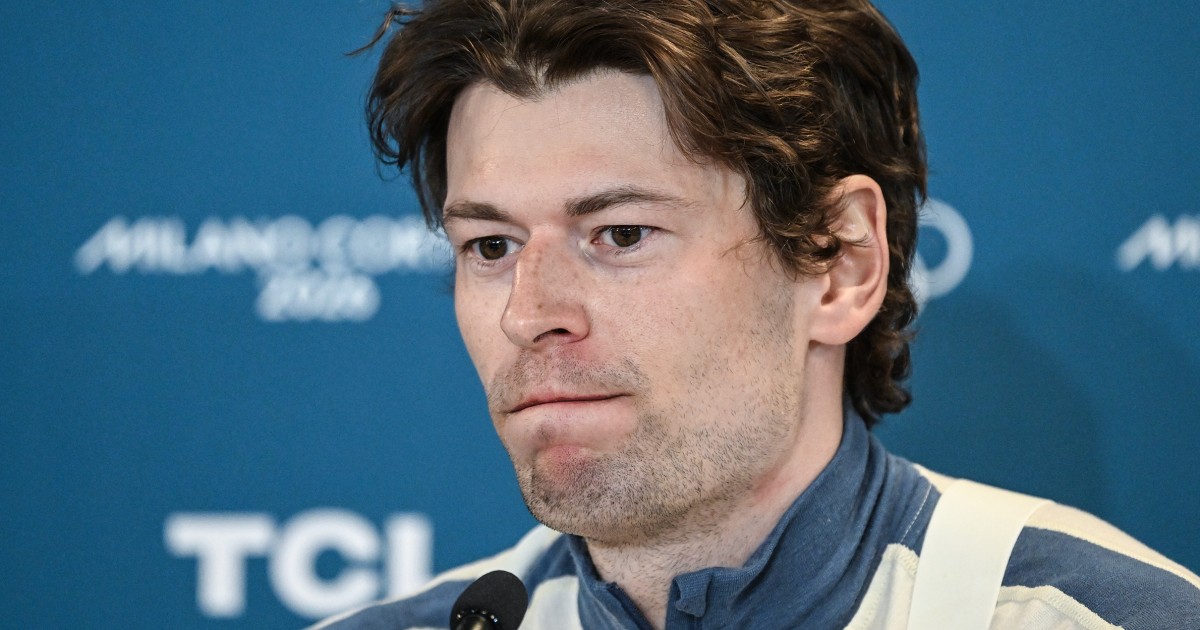
In a world increasingly accustomed to curated public images, Norwegian biathlon star Sturla Holm Lægreid delivered a moment of raw, unscripted drama that transcended mere athletic achievement. After clinching a bronze medal in the men's 20km biathlon at a recent Winter Games, Lægreid didn't bask in glory; instead, he used his global platform for a tearful, public confession of infidelity, dubbing it "social suicide" in a desperate bid to win back his girlfriend. This extraordinary act sparked a worldwide conversation, shining a harsh spotlight on personal relationships, public apologies, and the complex fallout when an Olympian cheats on girlfriend.
The Unprecedented Confession: A Bid for Redemption or a Public Spectacle?
The scene was set for triumph. Sturla Holm Lægreid, a formidable six-time Biathlon World Champion, had just secured an Olympic bronze medal. Yet, his post-race interview quickly veered from athletic prowess to emotional turmoil. With cameras rolling and millions watching, Lægreid confessed to cheating on his girlfriend, pleading with her for another chance. His words, choked with tears and regret, were stark:
- "I’m not ready to give up."
- "I hope that committing social suicide [like this] might show her how much I love her."
- "I accept the consequences of what I’ve done. I regret it with all my heart."
- "Maybe I’m dumb as a rock. I’m a member of Mensa, but I still do stupid stuff."
This unprecedented honesty captivated and divided audiences. On one hand, many lauded his courage for such a vulnerable display, interpreting it as a genuine, albeit drastic, attempt to salvage a relationship he deeply valued. His statement, "I’ve realized that this is the woman of my life, and I can’t live my whole life keeping that from her. My only path to the finish line is to tell her everything and put it all on the table, and hope that she’ll still love me. I’ve done that for her, and now for the entire world. I’ve nothing to lose," painted a picture of a man pushed to the brink of desperation.
Lægreid's admission that he had informed her a week prior and that it had been "the worst week of my life" underscored the personal torment he had endured leading up to this public revelation. He acknowledged the potential damage to his public image – "a lot of people out there who look at me differently now" – but insisted his focus remained solely on her. This bold move raised questions about the ethics of such a public plea. Was it a selfless act of love, or did it place undue pressure on the unnamed girlfriend?
For a deeper dive into the initial shockwave of this confession, read our related article: Olympian Sturla Lægreid's Shocking Cheating Confession After Bronze Win.
The Girlfriend's Perspective: Unwanted Spotlight and Unresolved Pain
While the world debated Lægreid’s intentions, the woman at the center of the storm was left to navigate a deeply personal crisis under an intense global spotlight. Her response, shared with a Norwegian outlet, revealed the profound impact of her ex-partner's public confession:
"I did not choose to be put in this position, and it hurts to have to be in it."
Her words resonate with many who find themselves unwilling participants in highly publicized personal dramas. While Lægreid’s stated aim was to demonstrate his love and regret, his method inadvertently stripped her of privacy and control over her own narrative. Her pain was evident, emphasizing that a public apology, however heartfelt, does not automatically heal wounds or guarantee forgiveness.
She confirmed that they had been in contact and he was aware of her feelings, indicating that this public spectacle wasn't a complete surprise to her, though the scale undoubtedly was. Her gratitude towards her family and friends for their private support, and to the sympathetic public who reached out without knowing her identity, highlighted the vital role of a personal support system when navigating such an exposed emotional ordeal. It's a poignant reminder that while public gestures make headlines, true healing often requires private space and genuine, quiet empathy.
To understand the immediate aftermath of her response, check out: Olympian Cheater's Girlfriend Responds to Public Plea.
Beyond the Headlines: Navigating Infidelity and Public Scrutiny
The story of Sturla Lægreid and his girlfriend offers a compelling case study into the complexities of infidelity, apology, and recovery, especially when played out on a global stage. When an Olympian cheats on girlfriend, the stakes are undeniably higher, amplified by media scrutiny and public opinion.
The Double-Edged Sword of Public Confession
While Lægreid's confession was a raw expression of remorse, it also created significant ethical challenges. A public apology places immense pressure on the wronged party. Forgiveness, when forced or expected, ceases to be genuine. Experts in relationship counseling often advise against such grand gestures for several reasons:
- Lack of Privacy: Healing from infidelity requires a safe, private space for both partners to process emotions, communicate openly, and decide on a future path without external judgment.
- Undue Pressure: The public confession effectively put the girlfriend in a no-win situation. Any decision she makes – to forgive or not – becomes a public act, subject to scrutiny and commentary.
- Potential for Manipulation: While Lægreid's intentions may have been pure, public apologies can sometimes be perceived as a way to gain public sympathy, shifting focus from the act of betrayal to the confessor's perceived remorse.
Practical Tips for Addressing Infidelity
For those navigating the painful aftermath of infidelity, whether in the public eye or privately, here are some actionable insights:
- Prioritize Private Communication: All significant conversations about the betrayal, regret, and potential reconciliation should happen between the involved parties, ideally in a neutral, private setting.
- Seek Professional Help: A couple's therapist or individual counselor can provide a safe space and tools for processing emotions, improving communication, and making difficult decisions.
- Focus on Actions, Not Just Words: True remorse is demonstrated through consistent behavior changes, accountability, and a willingness to understand and address the pain caused, rather than just dramatic statements.
- Respect Boundaries: The wronged partner needs time and space to process. Their timeline for healing and decision-making should be respected, free from external pressure.
- Understand the Root Cause: While not excusing the act, exploring the underlying reasons for the infidelity (e.g., emotional gaps, stress, personal issues) can be crucial for future relationship health, if reconciliation is pursued.
The Future for Sturla Lægreid: Athlete, Man, and the Path Ahead
Sturla Lægreid's confession has undeniably intertwined his athletic legacy with a deeply personal scandal. As an athlete, he will continue to face questions and scrutiny beyond his performance on the snow. The psychological toll of such a public disclosure, coupled with the ongoing uncertainty of his personal life, could profoundly impact his focus and future in biathlon.
Beyond the professional realm, Lægreid's journey will be one of profound personal reckoning. Whether his girlfriend ultimately chooses to forgive him or not, the "social suicide" he undertook has set him on a path of public accountability. His statement, "I don’t want to think I didn’t try everything to get her back," highlights a desperate hope, but the success of his plea hinges not on his public performance, but on the very private and deeply personal decision of the woman he wronged. His future, both as a public figure and as a man, will be defined by how he navigates the long-term consequences of his actions and whether he can genuinely earn the trust and respect he seeks, starting with himself.
The extraordinary story of Sturla Holm Lægreid serves as a powerful reminder of the intricate dance between public persona and private pain. His dramatic confession after winning an Olympic medal laid bare the desperation of a man confronting the potential loss of the "woman of his life." While the sincerity of his remorse resonated with many, the unsolicited public nature of his apology undeniably placed an immense, unwanted burden on his girlfriend. This saga underscores the critical lesson that genuine healing and reconciliation from infidelity, especially when an Olympian cheats on girlfriend, require more than grand gestures; they demand privacy, profound personal accountability, and, most importantly, the space and freedom for the wronged party to choose their own path forward, away from the glare of the world’s cameras.