The Fallout: Olympian Cheats On Girlfriend, Her Painful Response to a Public Plea
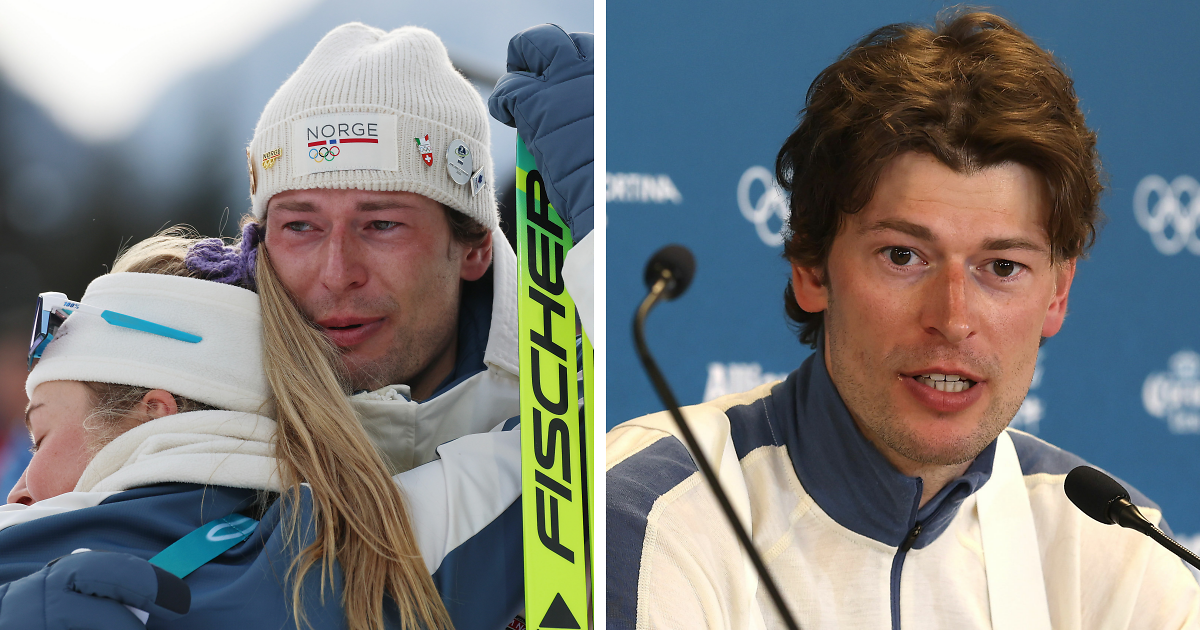
The world of sports often provides moments of triumph, heartbreak, and unexpected drama. Norwegian biathlon star Sturla Holm Lægreid delivered all three in a shocking post-bronze medal interview that sent ripples far beyond the finish line. After securing third place in the men’s 20 km biathlon at the 2026 Winter Games, Lægreid used his moment in the global spotlight not to celebrate his athletic achievement, but to tearfully confess that he had cheated on his girlfriend and implore her to give him another chance. His heartfelt, albeit highly unconventional, plea quickly went viral, igniting a fervent public debate about infidelity, celebrity, and the ethics of a public apology. While Lægreid's confession was raw and emotional, the subsequent response from his now-identified girlfriend has cast a complex shadow over his grand gesture, highlighting the very real human cost of such a public display.
Sturla Lægreid's 'Social Suicide' Confession
The scene was set for triumph. A celebrated athlete, a six-time Biathlon World Champion and a member of Mensa, had just added an Olympic bronze to his impressive collection. Yet, Sturla Holm Lægreid seemed anything but victorious. With tears streaming down his face, he revealed a secret that had been gnawing at him, a truth he felt compelled to share with his girlfriend – and, as it turned out, the entire world.
"I’m not ready to give up," Lægreid stated, his voice thick with emotion, referring to his relationship. He hoped that "committing social suicide [like this] might show her how much I love her." He acknowledged his wrongdoing, stating, "I accept the consequences of what I’ve done. I regret it with all my heart. Maybe I’m dumb as a rock... but I still do stupid stuff." The biathlete explained that he had come to realize his partner was "the woman of my life," and that telling her everything, "putting it all on the table," was his only path to true reconciliation. He had confessed to her a week prior, describing it as "the worst week of my life," where sports had taken a backseat to his personal turmoil. He further clarified his intentions in a follow-up press conference, admitting he didn’t know "if it’s the right choice or not… But I don’t want to think I didn’t try everything to get her back." This extraordinary moment of vulnerability and a desperate plea for forgiveness captured the attention of millions, sparking discussions about the motivations behind such a public declaration. For a deeper dive into the immediate aftermath of his confession, read
Olympian Sturla Lægreid's Shocking Cheating Confession After Bronze Win.
The Girlfriend's Unwanted Spotlight and Her Candid Response
While Sturla Lægreid’s public confession was undeniably dramatic, it quickly became clear that it hadn't achieved the immediate, desired effect with his former partner. In fact, her subsequent response painted a picture of distress and discomfort, revealing the profound burden placed upon someone thrust into an unwanted global spotlight. Speaking to a Norwegian outlet, the unnamed woman expressed her profound unhappiness with Lægreid’s decision to air their private pain on international television.
"I did not choose to be put in this position, and it hurts to have to be in it," she candidly stated. This powerful statement cuts to the heart of the ethical dilemma surrounding Lægreid's "social suicide." While he may have seen it as a desperate act of love and accountability, for her, it was an unwelcome invasion of privacy and a source of additional pain. She confirmed that they had been in contact and he was "aware of my opinions on this," suggesting that his public plea came despite, or perhaps in defiance of, her privately expressed feelings. She also gratefully acknowledged the support of her family and friends, and "everyone else who has thought of me and sympathized, without knowing who I am," underscoring her desire to remain anonymous despite the global attention her relationship drama had garnered. Her words serve as a crucial reminder that even well-intentioned public gestures can have unintended and painful consequences for those on the receiving end, especially when the private trauma of infidelity becomes public spectacle.
The Complex Ethics of Public Apologies for Infidelity
Sturla Lægreid's confession, while seemingly born of deep remorse, raises significant questions about the nature and efficacy of public apologies, particularly in cases as sensitive as infidelity. On one hand, some might view his actions as the ultimate display of accountability: taking responsibility not just to his partner, but to the entire world, and risking his reputation to prove his love. This level of public vulnerability is rare, especially from an Olympian. It could be argued that by "committing social suicide," he demonstrated a willingness to face severe consequences, potentially hoping this would underscore the sincerity of his regret and his desperate desire for reconciliation.
However, the girlfriend's response clearly illustrates the profound drawbacks. A public confession of infidelity, made without the explicit consent or desire of the wronged party, can easily cross the line from genuine remorse to a form of public pressure or even emotional manipulation. By making the confession global, Lægreid effectively stripped his partner of her agency and privacy, forcing her to contend with their relationship drama under the scrutiny of millions. This not only compounded her personal pain but also put her in an impossible position: any decision she makes now, whether to reconcile or move on, will be judged by the very same public that witnessed his plea. Such an act can inadvertently shift the focus from the hurt caused by the infidelity to the emotional spectacle of the apology, potentially overshadowing the private healing process that is crucial for true reconciliation or closure. For a more detailed look into this unique strategy, see
Sturla Lægreid's 'Social Suicide' Cheating Confession Explained.
Navigating Infidelity: Practical Insights and Advice
The saga of the Olympian who cheats on girlfriend and publicly begs for forgiveness offers valuable, albeit painful, lessons for anyone grappling with infidelity, whether as the unfaithful partner or the wronged party.
For the Unfaithful Partner:
- Prioritize Private Accountability: While public apologies can make headlines, true reconciliation begins in private. The first and most crucial step is a direct, honest, and remorseful conversation with your partner, *away* from any cameras or social media. This allows for genuine dialogue, questions, and emotional processing without external pressure.
- Accept Consequences Quietly: Taking responsibility means accepting your partner's reaction, whatever it may be. This includes respecting their need for space, their anger, and their desire for privacy. Do not use public platforms to try and sway their opinion or force their hand.
- Focus on Actions, Not Just Words: True remorse is demonstrated through consistent actions over time – rebuilding trust, making amends, and committing to change – not just a single, dramatic declaration.
- Seek Professional Help: Individual counseling can help you understand the root causes of your infidelity and develop healthier coping mechanisms. If your partner is open to it, couples therapy can provide a safe space to address the breach of trust.
For the Cheated-On Partner:
- Prioritize Your Well-being: Your emotional and mental health are paramount. Surround yourself with supportive friends and family who respect your feelings and your decisions.
- Guard Your Privacy: You have every right to decide how much, if any, of your private pain you share with the world. Do not feel pressured by public opinion or your partner's actions to make decisions you're not ready for.
- Allow Yourself to Feel: It’s natural to feel a wide range of emotions – anger, sadness, confusion, betrayal. Give yourself permission to experience these feelings without judgment.
- Seek Support: Talking to a therapist, counselor, or support group can provide invaluable tools for processing trauma and navigating difficult choices.
- Take Your Time: Whether you choose to reconcile or end the relationship, this is a deeply personal decision that should not be rushed. There is no "right" timeline for healing or making such significant life choices.
In Lægreid's situation, the girlfriend's statement "I did not choose to be put in this position" is a powerful reminder that while the cheater may seek public redemption, the primary focus should always be on the partner who has been wronged and their need for safety, respect, and emotional healing, on their own terms.
The Lingering Aftermath
The story of the Olympian who cheats on girlfriend and seeks public forgiveness highlights the immense pressure and scrutiny placed upon public figures, but more importantly, it underscores the profound and often overlooked impact on the private lives of those caught in the storm. Sturla Holm Lægreid's bronze medal will forever be intertwined with his raw, tearful confession, a testament to a personal struggle playing out on a global stage. However, it is his girlfriend's voice, quiet yet firm, asserting her right to privacy and expressing her hurt, that provides the most poignant and crucial perspective. Her statement reminds us that true reconciliation, if it is to happen at all, cannot be forced or manipulated by public spectacle, but must be built on genuine understanding, respect, and, crucially, privacy between the individuals involved. The path forward for Lægreid and his former partner remains uncertain, but one thing is clear: the consequences of infidelity, especially when amplified by the media, extend far beyond the initial act, leaving a complex tapestry of emotions, public opinion, and deeply personal struggles in their wake.